

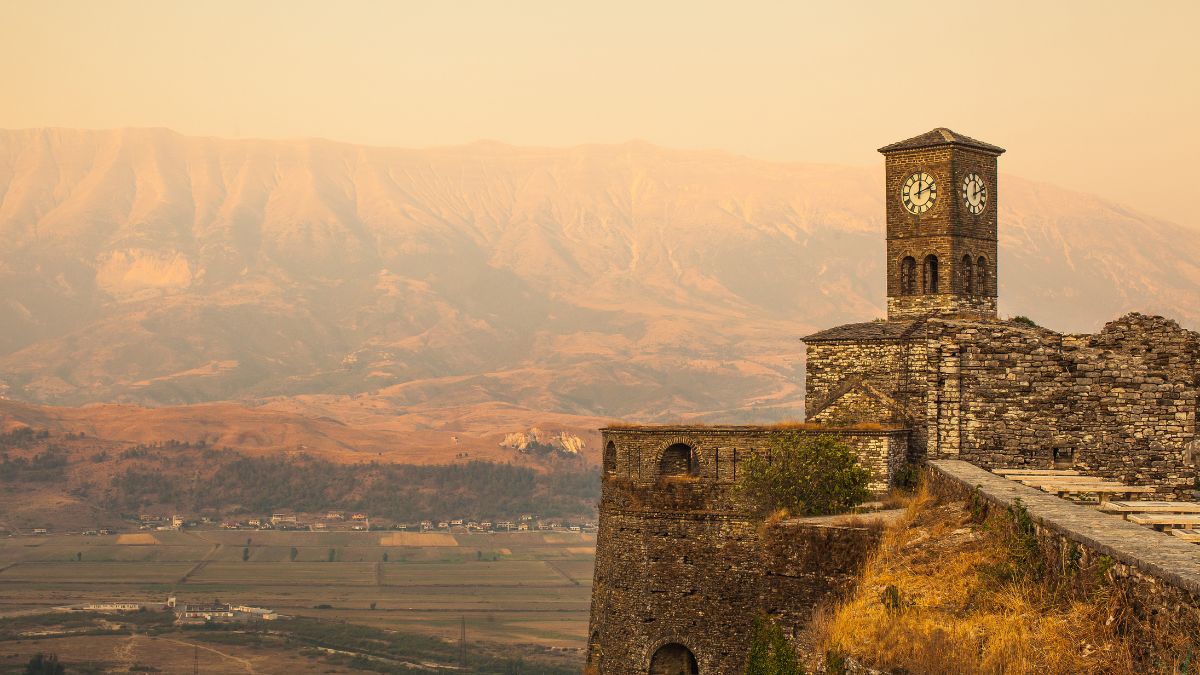
Tucked into the rolling hills of southern Albania, Gjirokastër feels like a forgotten chapter from a European fairy tale. Its steep cobbled streets, framed by Ottoman-era stone houses, wind up toward a towering castle that watches over the valley below.
Unlike better-known European destinations, there are no long queues of tourists here, no overexposed monuments or predictable souvenir shops. Instead, Gjirokastër offers the rare kind of authenticity that seasoned travellers quietly seek out and rarely talk about—a town that seems to breathe with stories, echoing across stone walls and sun-drenched courtyards.
READ MORE: We share 4 emerging travel destinations in Southeast Asia
A city built from stone and time
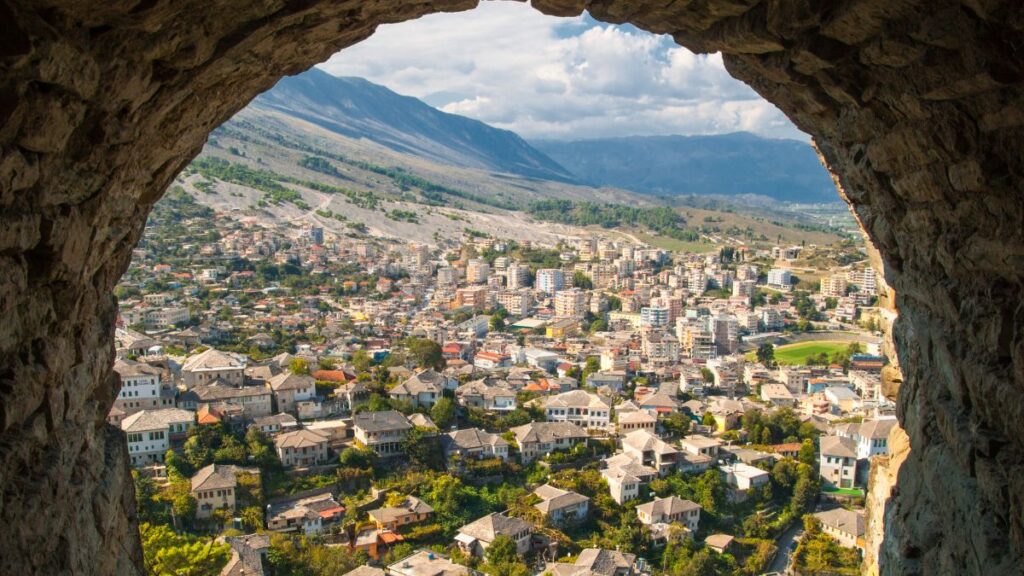
Gjirokastër is often described as the “City of Stone,” and it takes just a few steps into the old bazaar to understand why. The slate-roofed houses, whitewashed walls, and wide eaves create a striking uniformity, yet each one tells its own story. Many of these homes date back to the 17th and 18th centuries, with arched ceilings and wooden balconies that look out across the Drino Valley.
What sets the town apart is its preservation of architectural heritage. Unlike many places that modernize for tourism, Gjirokastër has preserved its identity with remarkable care. The historic centre is now a UNESCO World Heritage Site, protected for its representation of a typical Balkan town. It feels lived-in, not curated—a place where children still play soccer in quiet alleyways and locals greet each other from shaded doorways.
Exploring the heart of Gjirokastër
Start your visit at Gjirokastër Castle, one of the largest fortresses in the Balkans. It looms above the town with sweeping views of the valley and the snow-dusted peaks of the surrounding mountains. Inside, you’ll find a surprisingly engaging military museum and even an American fighter plane that crash-landed during the Cold War era—an unexpected piece of history in this tranquil setting.
Wander next into the Bazaar Quarter, where small family-run shops sell handwoven rugs, copperware, and olive wood carvings. Unlike the polished markets in larger cities, the bazaar here maintains its original purpose: to serve the community. Don’t be surprised if a shopkeeper offers you a glass of raki while you browse.
For a deeper glimpse into the town’s layered history, the Ethnographic Museum is housed in the former home of Enver Hoxha, Albania’s long-time communist leader. The museum walks you through traditional Albanian family life, showcasing period furnishings, intricate clothing, and household tools that have changed little over centuries.
Where culture meets daily life
What makes Gjirokastër truly memorable is how seamlessly culture intertwines with daily life. You might stumble across a wedding party parading through the streets, with drummers and clarinetists leading a swirl of dancers in traditional dress. In the evening, locals gather in leafy courtyards over grilled meats and byrek, sipping local wine and sharing stories well past sunset.
Time your visit to coincide with the Gjirokastër National Folklore Festival, held every five years within the castle walls. It draws performers from across Albania and its diaspora, celebrating centuries-old traditions of song, dance, and storytelling. Though the next festival isn’t scheduled until 2025, even outside the festival window, Gjirokastër keeps its traditions alive through daily life and local gatherings.
Day trips worth taking
Beyond the town itself, the surrounding region offers its own rewards. A short drive takes you to the Blue Eye (Syri i Kaltër), a dazzling natural spring known for its brilliant turquoise colour and mythic depth. For hiking enthusiasts, the nearby Lunxhërë region offers trails through pine forests and abandoned Orthodox churches, while the Ionian coastline is just under two hours away if you want to combine history with sea views.
Practical travel tips
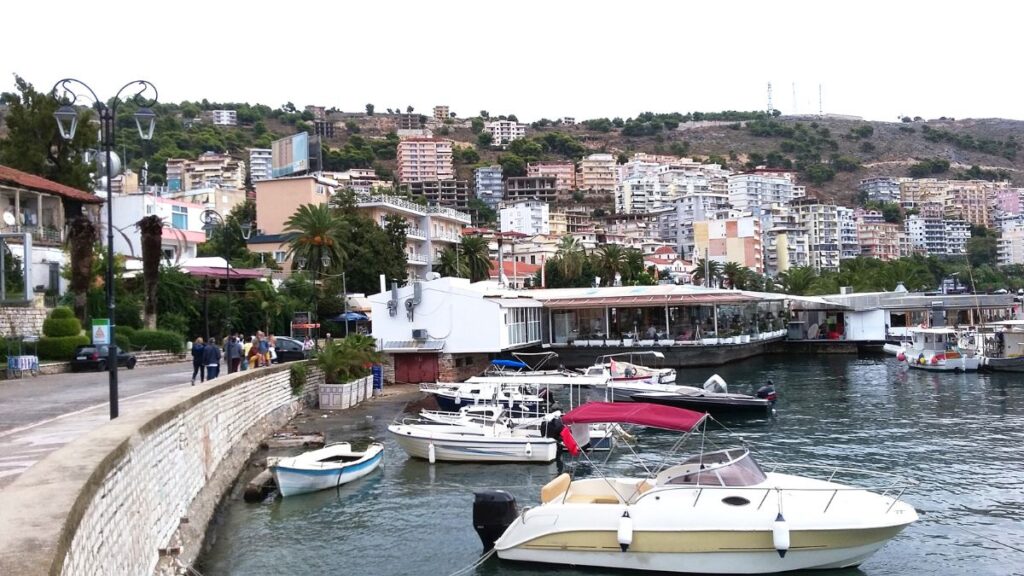
Gjirokastër remains relatively off the beaten track, but getting there is easier than it might seem. The closest major city is Sarandë, a popular seaside hub that has daily ferries from Corfu, Greece, especially in the summer months. From Sarandë, it’s a two-hour drive inland by bus or rental car. You can also reach Gjirokastër from Tirana, the capital, via a four-hour drive through the Albanian countryside.
When to visit: Spring (April to June) and early autumn (September to October) are ideal, with warm temperatures and fewer visitors. Summer can be beautiful, but expect higher heat and slightly more tourist traffic from the coast.
Where to stay: For a stay that matches the town’s spirit, look to restored Ottoman homes turned boutique hotels. Options like Hotel Kalemi or Stone City Hostel blend traditional architecture with modern comfort. Many accommodations offer terraces with sweeping views, homemade breakfasts, and a pace of life that encourages slow mornings and unhurried evenings.
READ MORE: Here are 10 glaciers in Alaska you need to know
Why Gjirokastër should be on your radar
Travellers often talk about discovering places before they change, before they become something else. Gjirokastër is one of those rare towns that hasn’t yet been overtaken by mass tourism or repackaged for Instagram. It offers the kind of travel experience that many say they want but rarely find—a place where history is embedded in the architecture, culture is an everyday act, and beauty isn’t manufactured, just quietly present.
For those seeking a deeper, more genuine connection to place, Gjirokastër isn’t just worth a visit. It deserves your time, your attention, and perhaps even a return.
