

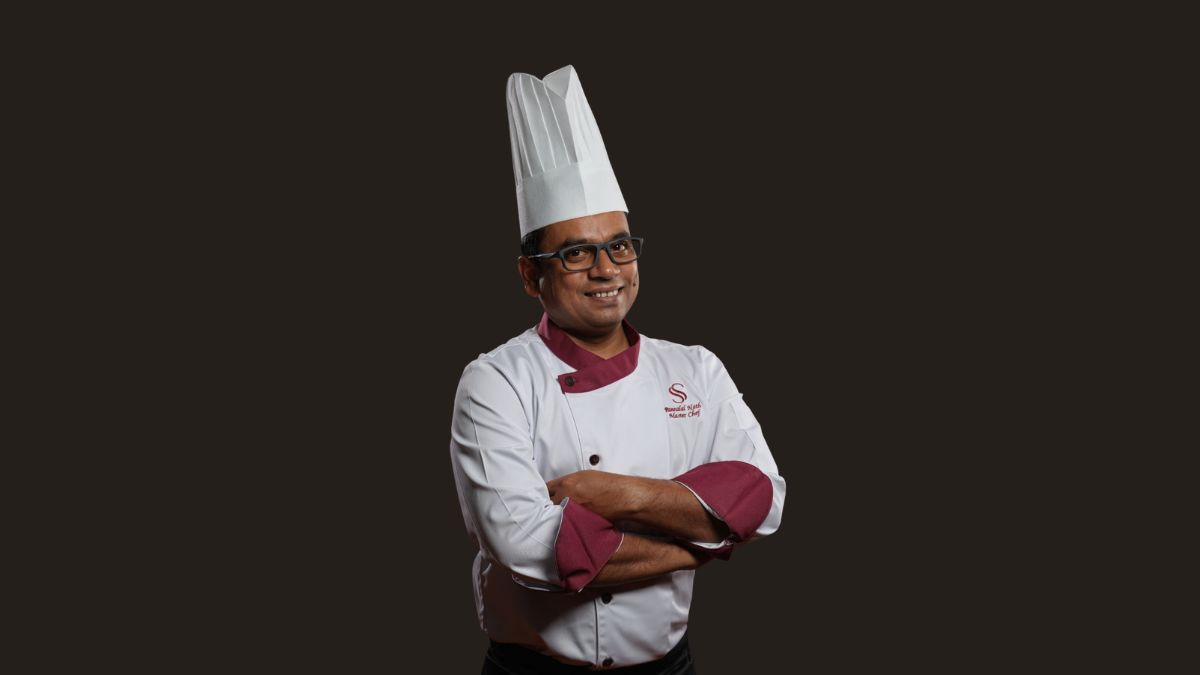
SanSara, located along the serene stretch of Robertson Quay at the Grand Copthorne Waterfront Hotel, reopens its doors this August with a redefined culinary vision. More than just a relaunch, this is a confident reintroduction of North Indian cuisine, one that blends heritage and contemporary flair with precision and intent. Originally opened in 2023, SanSara’s latest chapter dives deeper into regional traditions, presenting diners with a carefully orchestrated journey through the royal kitchens of India’s northern frontiers.
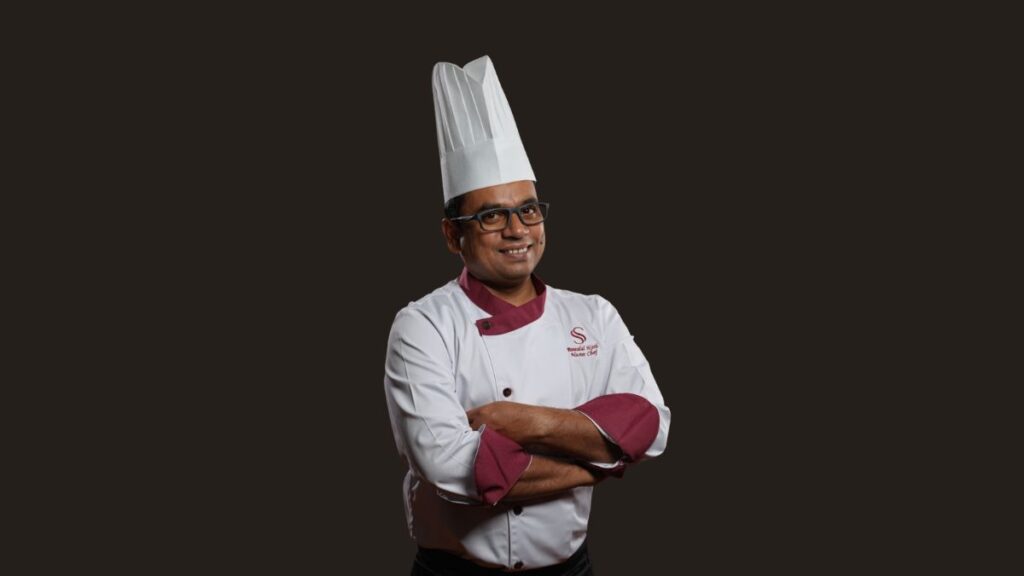
Now under the continued leadership of Master Chef Pannalal Nath, the restaurant builds on its foundational ethos while embracing new elements that reflect Singapore’s evolving fine-dining landscape. SanSara’s Sanskrit-inspired name, meaning “to flow,” sets the tone for an experience guided by continuity, craftsmanship and emotional connection.
A refined review of the new set menu
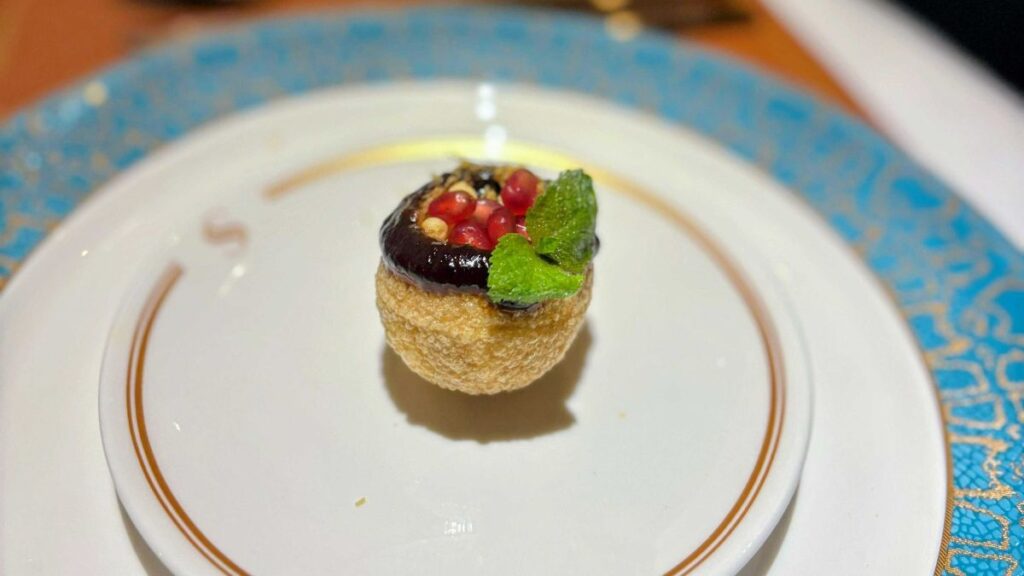
SanSara’s updated set menu presents a curated narrative of India’s regal heartlands, with regional dishes from Uttar Pradesh, Punjab, Rajasthan, Haryana and Kashmir reimagined for the modern diner. Chef Nath remains resolute in his belief that flavour should be led by tradition, not trends. This comes through in the menu’s new additions and its respectful treatment of beloved classics.
The Tali Scallops are a prime example of SanSara’s updated approach. Using sashimi-grade Hokkaido scallops, the dish is lightly marinated in turmeric, then pan-seared to a delicate finish and paired with the chef’s masala. “Many Indian seafood dishes tend to be overcooked or masked by heavy spice,” says Chef Nath. “We’ve taken the opposite approach by focusing on restraint and balance”.
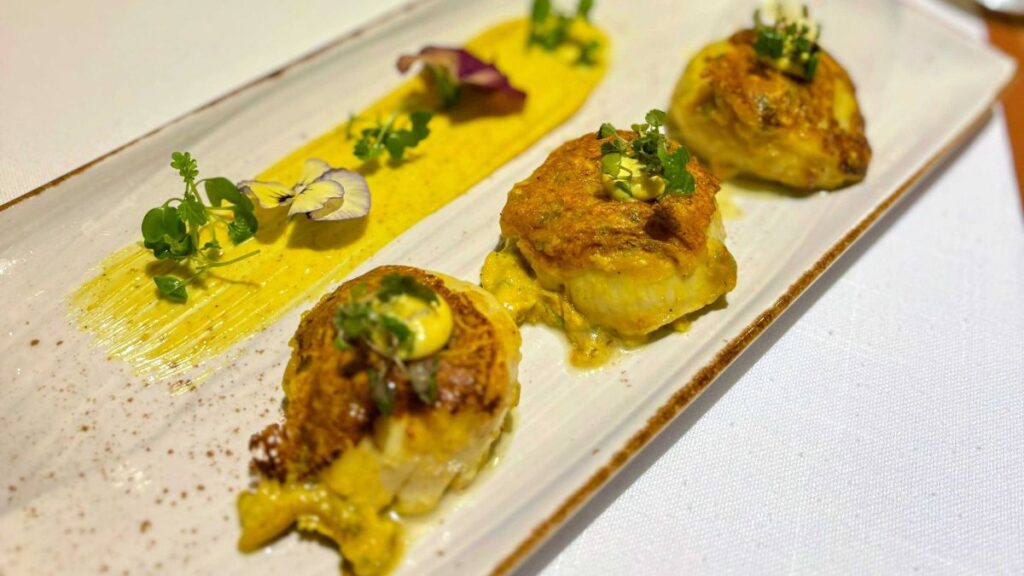
The Keri Wali Machli Curry furthers this ethos. Featuring Chilean sea bass, or Patagonia toothfish, this dish is simmered in a traditional mango curry that layers sweetness, spice and acidity. Its buttery texture holds firm in the fragrant, tangy sauce. “It’s a traditional recipe uplifted with a premium ingredient that enhances rather than overpowers,” Chef Nath explains.
The third seafood-forward highlight is Sailana Shevand, a royal prawn dish reinterpreted with lobster. Steeped in fenugreek, coconut cream and a rich tomato-onion base, it feels both comforting and elevated, its textures harmonised with a slow-cooked depth of flavour. There is no compromise on authenticity here, only a more refined form.
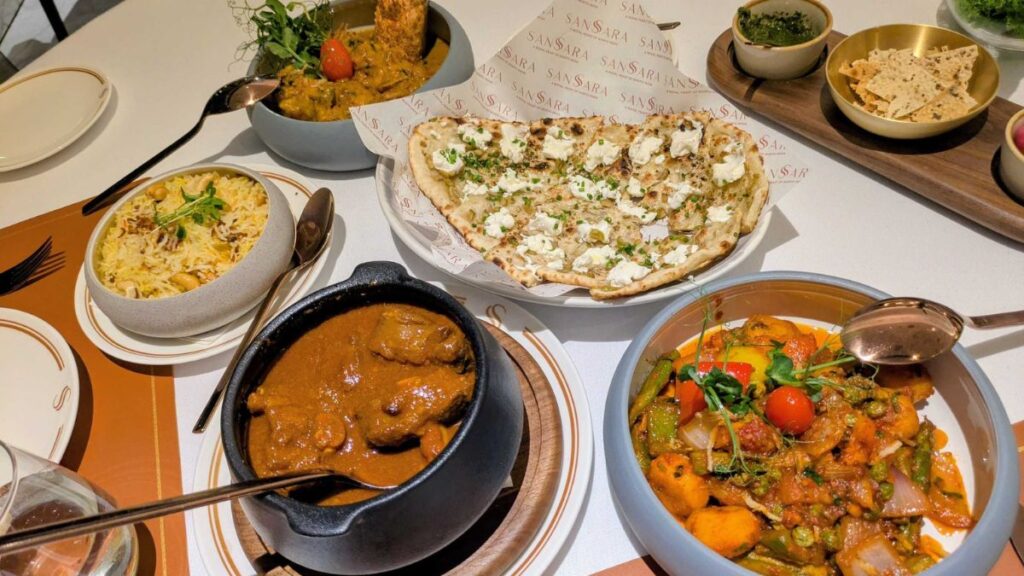
These dishes are not replacements for tradition, but expansions of it. Enduring favourites such as Gosht Ki Galouti and Nasila Dunger Lal Maas remain key anchors of the experience. The Galouti, famously born from the royal kitchens of Lucknow, retains its signature melt-in-the-mouth quality. Meanwhile, the Lal Maas, inspired by Rajasthani hunting feasts, arrives smoked, spiced and uncompromising in richness.
Chef Nath elaborates on the thought behind these timeless staples: “Any culturally rooted dish, whether Indian, French, or Chinese, can be thoughtfully reinterpreted through the lens of modern dining, without losing its soul”.
This balance between storytelling and innovation defines SanSara’s approach. For the Lal Maas, the original charcoal-smoking technique is retained, but modernised. “We’ve honoured this method while adapting the dish for a refined dining experience, preserving the soul of the original, but presenting it in a way that resonates with today’s diner”.
Design, drinks and the dining experience
SanSara’s visual identity has evolved to match its menu. The interiors draw subtle inspiration from Mughal architecture, particularly the symmetry and balance of the Taj Mahal. Light stone textures, brushed metals, and pale timber surfaces offer a calm palette, while curved arches and sculptural lighting add rhythm and softness. The aesthetic reflects clarity and elegance without overt extravagance.
Every detail, down to the plateware and staff uniforms, has been tuned to evoke refined Indian hospitality. The bar, a central visual feature in the space, reinforces the restaurant’s shift toward global refinement. A new beverage programme now includes the Hyderabad Jira Mojito, made with Amrut rum, cumin, curry leaf and five-spice syrup; the Old Mumbai, a bold take on the classic Old Fashioned using Indian whisky; and the Kasturi Sour, blending calamansi and spiced tea.
These drinks mirror the kitchen’s philosophy; taking familiar Indian flavours and reframing them with restraint, clarity and a touch of invention.
READ MORE: Here is a beginner’s Southeast Asian food guide
Chef Nath on SanSara’s “flow”
At the core of SanSara’s philosophy is the concept of flow, not just in name but in every operational detail. Chef Nath describes it as a guiding framework shaped around three pillars: flavour, craft and service.
“In terms of flavour, the flow begins with a menu inspired by the northern regions of India,” he says. “We design it to reflect a seamless progression of dishes, with carefully balanced spice profiles and a narrative that’s clear, authentic, and free of overly flowery descriptions”.
The craft component, he adds, ensures that everything is made in-house, from spice blends to sauces, to preserve the integrity of each dish. Seasonal ingredients are chosen thoughtfully to support each plate’s story. Finally, service is tightly choreographed so that the dining experience feels intuitive and uninterrupted.
“Flow is about thoughtful continuity, from the roots of a dish to the plate in front of you, so every touchpoint feels connected, intentional, and true”.
A future defined by heritage and refinement
SanSara’s relaunch is not just a new chapter but a confident repositioning in the Singapore dining scene. The restaurant now offers seasonal programming to further immerse diners in India’s culinary richness. Following a special menu in August celebrating India’s Independence Day, SanSara will host a Rajasthani Food Festival from September to October, followed by the Nawabi Zaika and Sherawali Food Festival in November and December.
Its integration with the MyMillennium Culinary Compass programme also adds an interactive element. Diners can collect digital stamps to unlock rewards such as complimentary drinks, membership upgrades or a Chef’s Table Experience. These gestures reinforce SanSara’s interest in creating not just meals but memories.
“We saw an opportunity to elevate our offerings by introducing premium seafood selections that align with the expectations of modern fine-dining diners in Singapore, who value both authenticity and innovation,” Chef Nath says.
His focus is unwavering: stay rooted in culture, elevate with care and never lose the connection between past and present. That clarity, in food, experience and philosophy, is what makes SanSara’s return feel necessary rather than nostalgic.
