
Work and travel no longer sit on opposite sides of your calendar. Many people now plan trips that let them work a few hours, then explore a new place. Companies are adjusting to the new norm.
We are seeing more hotels and short-stay operators redesign rooms to fit travellers. Governments are changing visa rules. The result is a clear shift toward bleisure and remote flex stays that cuts across price points and regions. Market data shows real momentum, not just a passing fad, with the bleisure market valued at around 430 billion dollars in 2024 and forecast to expand further in 2025.
READ MORE: Here are the best places to be a digital nomad in Southeast Asia
What bleisure looks like in 2025

Bleisure has widened from the classic Friday add-on to a broader mindset. Travellers stitch personal time into work trips or relocate for a few weeks to work from a different city. A 2025 corporate travel report shows that most business travellers blended at least two trips last year. A majority also used downtime to explore local areas or pursue hobbies. This is a practical response to high airfares, tighter schedules, and the desire to make travel feel worthwhile.
Corporate demand and budgets are recovering
Corporate travel is back in many sectors and this isn’t likely to stop. Travel managers expect higher budgets in 2025 as teams seek face time for sales, events, and internal planning. This aligns with wider industry outlooks that see steady travel demand through the year.
Global business travel spending is projected to reach more than 1.5 trillion dollars in 2025, with in-person meetings supporting a larger base of short trips that are easy to extend by a day or two.
The policy shift that made flex stays possible
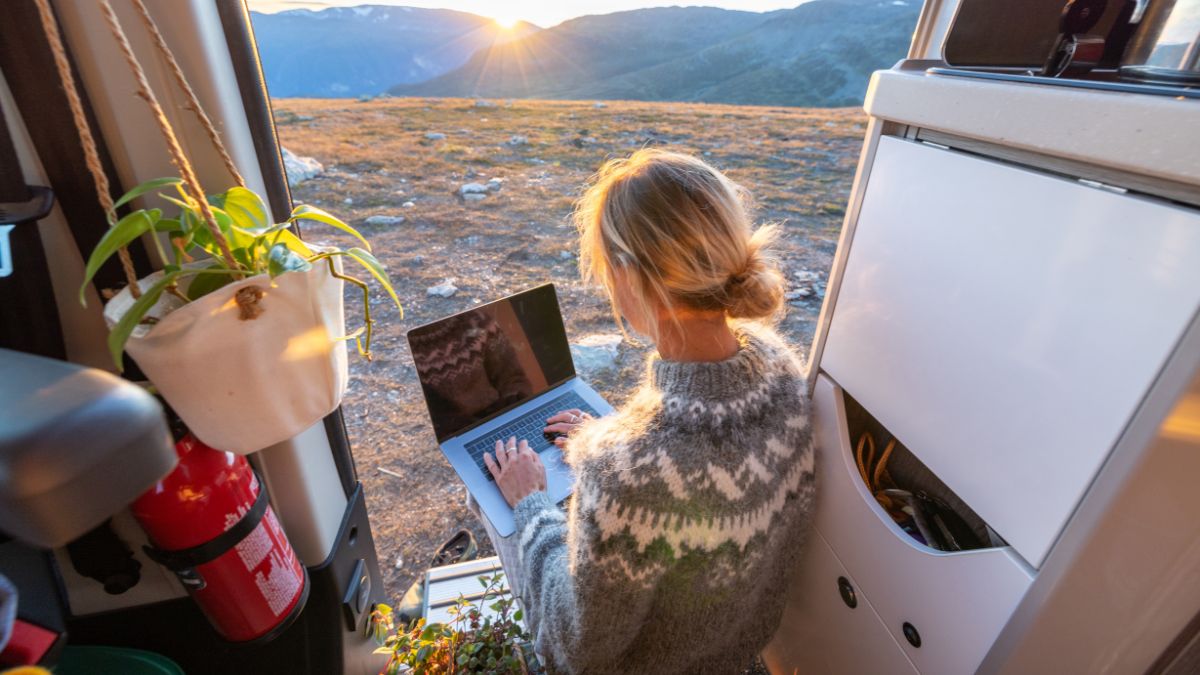
The remote work reset removed a key barrier. Many knowledge workers now have some flexibility on where they work for part of the year. That flexibility turns a standard three-night conference into a week. It also makes once-in-a-lifetime trips easier to justify. You can work Monday to Thursday, then spend three days hiking, tasting, or visiting family.
Operators have noticed the change as well. Hospitality brands are packaging weekday productivity with weekend perks, with industry analysis showing double-digit rises in blended stays and new room types designed around work and rest.
Homes and hotels are being redesigned for work and rest
Guest needs are simple to list and hard to deliver. Quiet rooms. Solid desks. Reliable chairs. Strong, consistent internet. Self-service laundry. Coffee you can make at 6 a.m. Many rentals now court remote workers with clear Wi-Fi specs, extra monitors, and flexible check-in. Data from property managers shows growth outside crowded city centres, where longer stays and lower costs appeal to people staying a week or a month. At the same time, guest expectations have risen, booking windows have shortened, and nightly rates have flattened in some markets.

Visas are evolving fast
The policy environment is moving as well in response to the evolving work dynamics. Dozens of countries now offer digital nomad or remote work visas. Independent tallies put the count around the mid-60s, with fresh announcements each quarter. In 2025, New Zealand introduced a 90-day remote worker scheme to attract talent, while Slovenia confirmed it will launch a one-year digital nomad visa in November. These steps matter even if you are not a full nomad, because they make it easier to plan medium-length flex stays without legal uncertainty.
Destinations that benefit
Cities with strong corporate travel tend to see the earliest impact. Travellers arrive for meetings, then add days for food, culture, or nature. Domestic extensions dominate, but international extensions are rising as flight capacity improves. Agencies now market explicitly to the bleisure segment, and airlines are adding routes that align with conference calendars and extended stays.
The traveller’s calculation
For travellers, the appeal is clear and easier to explain . You can stretch a long-haul trip without adding a second flight. You can use weekdays for work, then enjoy quieter museums, cheaper midweek dining, and off-peak train fares. The main trade-off is productivity risk. If Wi-Fi fails or a room is noisy, your day falls apart. This is why clear standards and accurate listings matter. It is also why urban stays are trending shorter while secondary cities and rural areas see growth for longer bookings. The value equation improves when accommodation includes practical extras like a washer, a decent chair, and fast support when something breaks.
What companies are changing
Many firms once discouraged extended stays. Today, more corporate travel policies allow personal time before or after meetings if costs do not rise. Travel teams focus on duty of care, insurance cover, and tax exposure. They want booking visibility, even when employees add nights at their own expense. This is pushing suppliers to build tools that keep itineraries in one place and support split-billing. Current data shows that most blended trips remain domestic, which reduces risk and keeps paperwork simple, though the share of international flex stays is growing.
Wellbeing and retention
Employee well-being is a practical driver for the ongoing change. A blended trip can reduce fatigue and raise satisfaction. You see daylight, meet friends, and return home less stressed. For employers, the cost can be neutral if the traveller pays for extra nights. The benefit is a fresher, more engaged colleague who still meets clients and teams face to face. Corporate travel forecasts stress that higher budgets must be matched with clearer policies and better data.
Compliance to watch
Bleisure works best when you respect the basics. Know what work you are allowed to do on a visitor visa. Avoid local client work that crosses legal or tax lines. Keep medical and travel insurance valid for the full stay. Use booking channels that your company can see. The rise of remote work visas helps by giving a formal path for longer stays. Countries are fine-tuning these programmes to draw skilled workers while keeping local jobs protected, which is why terms like income thresholds and non-renewable periods are common.
How to plan a smart flex stay
Plan around your work first. Book accommodation that publishes real internet speeds and photos of the desk and chair. Pick a location with easy, reliable transport to meeting venues. If you want to add a weekend, book the same place for the full stay to avoid moving day shocks. Share your itinerary with your team and clients. Keep your calendar in the destination time zone and set clear sign-off hours. Save the big excursions for after the last meeting. These habits are simple, but they remove the friction that ruins many blended trips.
What this means for destinations and brands
Destinations that make weekday life easy win more of these travellers. That means strong public Wi-Fi in cafés and libraries, co-working day passes, simple transit cards, and honest information about costs. Event calendars also help travellers decide when to add two days. For brands, the winners are those that show rather than tell. Publish desk sizes, upload and download speeds, and noise ratings by room. Offer early check-in, late check-out, and laundry without fuss. Partner with co-working spaces. Provide coffee, a second screen for a fee, and fast support. Data shows that longer stays and repeat bookings follow when you remove guesswork.
So, what’s next
Bleisure and remote flex stays are no longer niche. The market is large and growing. Corporate budgets are returning. Visa frameworks are catching up. Accommodation is evolving to meet work needs and leisure wants in the same booking. If you plan with care and respect rules, you can turn necessary travel into a healthier, more rewarding part of your year. The trend will keep shifting with policy, prices, and technology, but the direction is set. Blended trips serve travellers, companies, and destinations at the same time, which is why they are here to stay.
