


In today’s AI-first world, planning a trip has never been easier. From finding flights to booking hidden gem hotels, AI travel agents are helping travellers manage it all with a few simple prompts. But what happens when your smart assistant makes a mistake? Whether it’s booking the wrong date, choosing the wrong hotel or failing to confirm your cancellation, travellers are now dealing with a new kind of booking error-one caused by artificial intelligence.
As the use of AI assistants grows in travel planning, so does the risk of things going wrong. If your AI-powered bot gets something wrong, the question is: who’s responsible and what can you do?
READ MORE: Is travel insurance worth it?
A growing reliance on AI travel agents for bookings
AI tools or AI travel agents are being used to plan and execute trips, combining destination research, itinerary creation, and even flight and accommodation bookings. Some platforms like Booking.com are experimenting with personalised AI itineraries, while others like Google Travel have added smart recommendations based on user history. OpenAI and other major players are also building plugins to let users make bookings directly inside chatbots.
Travellers love the convenience, especially when AI can handle repetitive planning tasks. A recent YouGov study shows that people are becoming more open to using AI agents for shopping and travel planning, though many still want a human to check the final step.
But this new layer of automation comes with risk. A wrong click, misread date, or missing confirmation email can result in you showing up to a hotel that has no record of your booking or missing a flight that was scheduled for the wrong week.
What happens when AI makes a mistake?
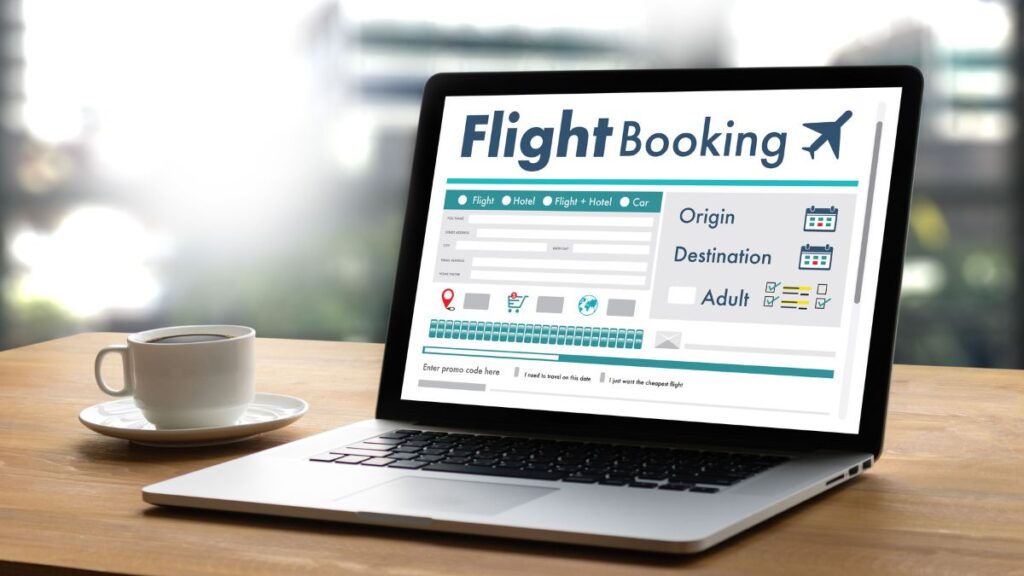
If your AI assistant causes a travel error, the path to resolution isn’t always clear. Forums are full of stories about bots misreading dates or booking non-refundable rates by accident. Some users find themselves caught in long email chains with customer support or, worse, dealing with credit card disputes when no one takes responsibility.
In the United States, electronic agents are legally allowed to enter into contracts, even without human oversight, under laws like the Uniform Electronic Transactions Act (UETA). However, the same law protects if you were not given a reasonable chance to prevent or correct the mistake. This means if an AI booked your hotel without a chance for you to approve the details, you may be able to void the transaction.
In the European Union, things are evolving fast. The EU’s proposed AI Liability Directive aims to make it easier for consumers to sue for damages caused by AI tools, especially in cases of negligence or failure to warn about known risks.
In Canada, a recent court ruling held an airline accountable for false information given by its AI chatbot, rejecting the idea that companies can shift blame to the machine.
What if this happens to you?
If your AI agent has made a mistake in your booking, there are steps you can take that apply in most countries:
First, contact customer support immediately and clearly state the issue. Provide screenshots, booking references, or logs of the AI interaction if available. Many platforms now log conversations for troubleshooting.
Second, check if the booking platform or AI agent gave you an option to confirm details before submitting. If not, you may have legal grounds to undo the transaction, particularly in regions with strong consumer protection laws.
Third, if the platform is unhelpful, escalate your case through local consumer protection bodies. In Singapore, for example, you can reach out to the Consumers Association of Singapore (CASE) if the vendor refuses a fair resolution.
Lastly, for payments, consider using credit cards or services that allow chargebacks. This gives you extra protection in case the service is not delivered as promised.
READ MORE: What is bleisure and is remote flex stays here to stay?
AI travel agents still needs human oversight
AI might be efficient, but it’s not foolproof. That’s why many users still prefer systems that allow human approval before completing bookings. Experts recommend choosing AI services that offer clear review stages and refund-friendly policies. Always read the terms and conditions, especially on cancellation and changes.
Travellers should also be aware that many platforms include disclaimers to limit their liability. However, these may not hold up in court if judged to be unfair or deceptive. Countries like Singapore, the UK, and members of the EU already have regulations that prevent businesses from hiding behind broad disclaimers in consumer contracts.
The future of travel booking is hybrid
The good news is that travel companies are responding. New platforms are building AI-powered tools that still involve human agents for final approval. Some are introducing insurance or refund protections specifically for AI-assisted bookings. Experts are also pushing for clearer rules around AI error correction and legal responsibility.
As AI becomes more capable, it will likely handle more of our travel planning. But until it’s flawless, it pays to stay informed, double-check everything, and know your rights.
So the next time an AI travel agent offers to book a trip to Tokyo or Bali, go ahead and use it. Just make sure you check the details before clicking confirm. Travel is about discovery, not disruption.
Editor’s note: Travel Waderlust has a question for you. We want to hear your experiences using AI travel agents or using ChatGPT to research trips. Have you ever encountered any issues or received the wrong advice? Let us know in the comments or email us at [email protected]
