

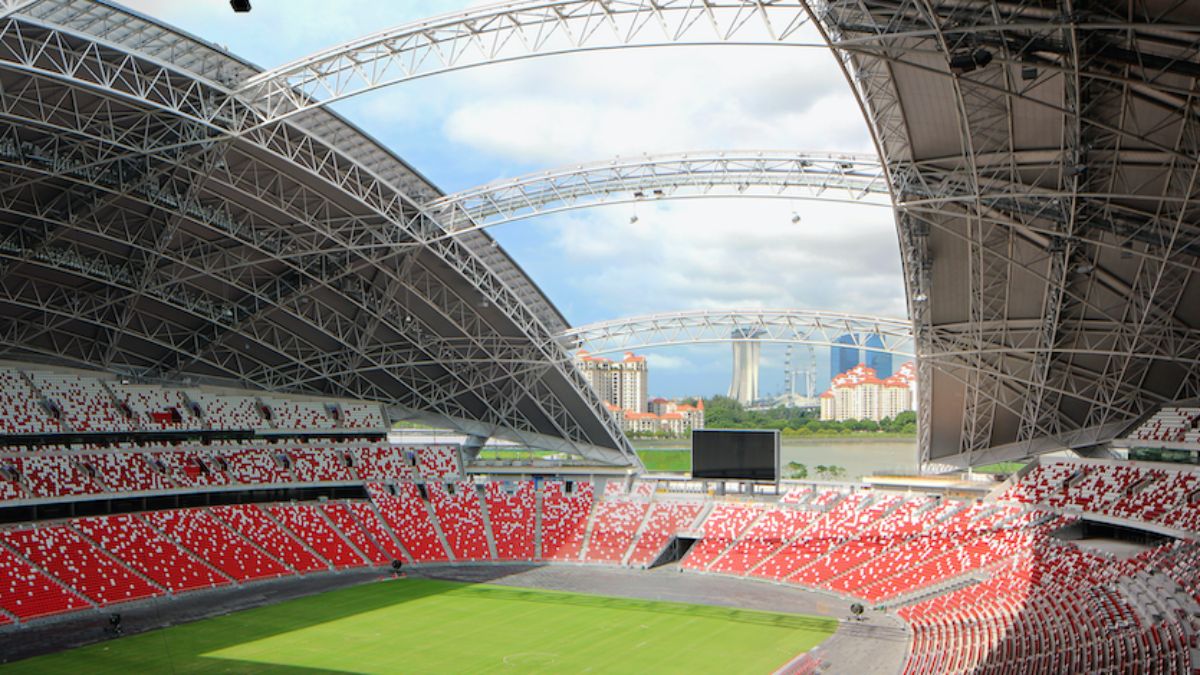
We explore the potential of smart stadiums in the Singapore market as a tourism driver.
Travel for sport has always been about more than the game. It is about the ritual of it all. The anticipation of a new city. The pre-match meal. The rush of walking into a packed stadium. The scramble afterwards, when thousands spill out at once and every taxi app seems to surge at the same time.
For decades, that chaos was simply part of the deal. Now it does not have to be. Around the world, stadiums are evolving into what the industry calls “smart venues”. The term sounds technical, but for travellers the difference is surprisingly human. Smart stadiums do not just host an event. It manages movement, predicts pressure points and smooths out the parts of match day that usually cause stress.
For Singapore, this shift matters. Sport is already woven into the city’s tourism calendar, from global motorsport to regional tournaments and international concerts. The next opportunity is not just about attracting big events. It is turning match day itself into a seamless, tech-enabled visitor experience that people actively choose to travel for.
READ MORE: Here are the 10 best budget hotels in Singapore
What do smart stadiums feel like
Forget jargon. Think about what frustrates you when you attend an event overseas. You cannot find the right entrance. You queue too long for food. You miss the start because security is overwhelmed. Your signal drops just as something dramatic happens. After the final whistle, you are stuck in a human bottleneck.
A smart venue is designed to reduce those friction points. Digital ticketing speeds up entry. Connected systems monitor crowd density and redirect foot traffic before choke points become unmanageable. High-capacity connectivity ensures that thousands of fans can post, message, navigate and access live information without network collapse.
Inside the stadium, phone-first wayfinding helps visitors locate seats, restrooms or family facilities quickly. Food ordering systems allow pick-up at timed windows rather than standing in line during half-time. Subtle alerts can guide visitors towards less crowded concourses.
None of this replaces the thrill of live sport. It protects it. For travellers, especially those on short stays, time is currency. A stadium that respects that time becomes part of the destination’s appeal.
The data layer visitors do not see
Behind that smoother experience is a mesh of sensors, connectivity and real-time analytics. Crowd flow, queue lengths and movement patterns can be analysed in real time, allowing operators to respond dynamically. Staff can be redeployed. Gates can be adjusted. Digital signage can shift instantly.
For a compact, highly connected city like Singapore, this kind of orchestration is easier to execute than in sprawling metropolitan markets. Transport systems, venues and digital infrastructure already operate at high reliability. When they integrate well, match day starts to feel less like a logistical challenge and more like a coordinated experience.
That integration is key for tourism. A visitor moving from hotel to MRT to stadium and back into the city should feel continuity, not fragmentation.
Why live data changes the travel experience
Smart stadiums are not just about flow. They are about depth. When stadiums capture richer live data and distribute it quickly, the in-venue experience becomes layered. Visitors can access live statistics, player tracking visuals or contextual insights on their devices while watching the action unfold in front of them. Sharing moments becomes immediate. Information becomes personalised.
This behaviour already exists at home. Fans follow live sport with multiple apps open, from social feeds to stats platforms. In some markets, real-time engagement formats, including in-play features from platforms such as 1XBet, form part of that broader second-screen mix during live events. The difference inside smart stadiums is that digital interaction complements the physical atmosphere rather than competing with it.
For travellers, that makes attending in person feel richer than watching from afar. You are not just observing the event. You are inside an interactive environment shaped by live data.
Turning match day into a mini itinerary
If Singapore wants smart venues to strengthen sports tourism, the benefits must extend beyond the gates. Match day can become a curated experience. Tickets can integrate transport guidance, timed entry and neighbourhood recommendations. Visitors could receive suggestions for nearby dining spots, late-night options or attractions based on the event they are attending. Families might see different prompts from solo travellers. The technology makes this possible. The travel framing makes it powerful.
This is where the idea shifts from stadium upgrade to tourism infrastructure. A connected venue can anchor a broader ecosystem. Hotels can align check-in times with major fixtures. Retail districts can activate around peak flow hours. Attractions can extend offers linked to event attendance. The stadium becomes a gateway into the city’s wider economy.
For a destination like Singapore, where space is limited but coordination is strong, that ecosystem effect can be significant.
READ MORE: What you should expect from Singapore as a first-time traveller
A model Singapore can export
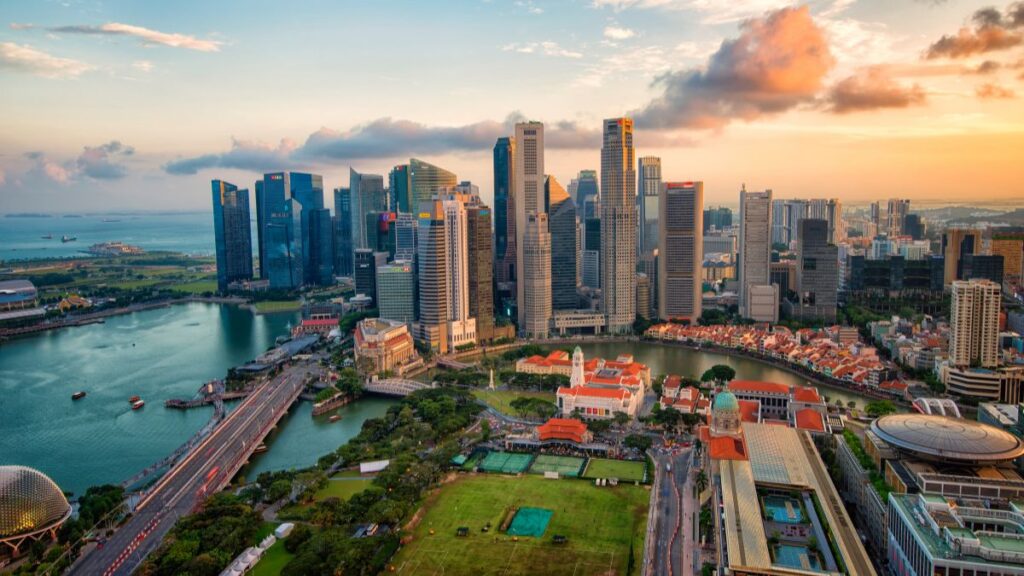
Across Southeast Asia, new arenas and multi-purpose complexes are being developed to host sports, concerts and large-scale events. Many are being built from scratch, without decades of legacy systems to work around. Singapore is well-positioned to act as a pilot market for smart venue frameworks that can later be adapted regionally. Not just hardware, but operating models: how to design venues around mobile-first navigation, how to plan for peak connectivity, how to integrate real-time crowd management with fan engagement.
If Singapore becomes known for running exceptionally smooth, data-enhanced events, it sets a benchmark for the region. That reputation matters when bidding for international tournaments or attracting event-driven visitors. Exporting smart venue playbooks is not just a technology story. It is an experience story.
The business case that supports the vision
There is a clear commercial logic behind this evolution. When venues are connected, organisers understand fan behaviour more precisely. Brands can activate in ways that feel contextual rather than intrusive. Digital platforms integrate more naturally with live events.
But for travel audiences, the more relevant outcome is simple: smoother events encourage longer stays and repeat visits.
If attending a match in Singapore feels effortless compared to other cities, visitors are more likely to build a trip around it. They are more likely to explore the surrounding neighbourhood. More likely to recommend it. More likely to return.
Beyond the game
Sports tourism is not new. What is new is the expectation that live experiences should be as seamless as the digital services travellers use every day.
Smart stadiums do not diminish the roar of the crowd or the unpredictability of sport. It removes the avoidable stress around it. It turns match day into something curated rather than chaotic. For Singapore, the opportunity is clear. By refining how venues, data and city systems connect, the city can elevate its own visitor experience while shaping what modern sports travel looks like across Southeast Asia.
When that happens, the draw is no longer just the fixture. It is the feeling that from the seat to the city, everything works.
