

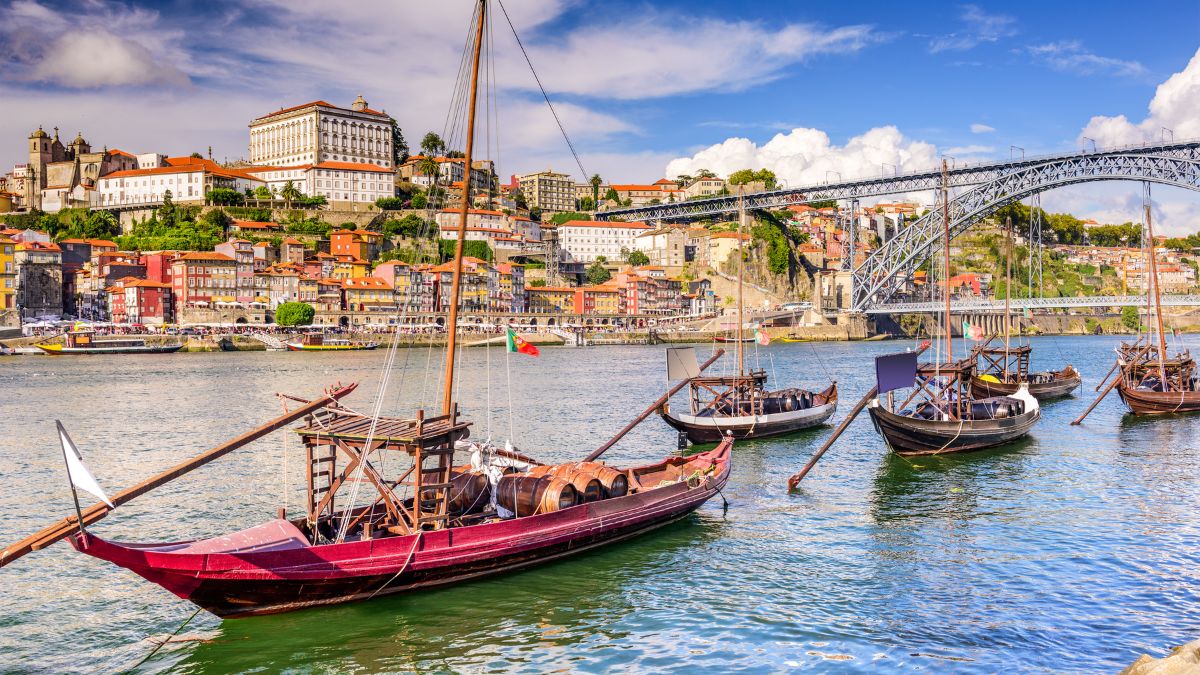
There is an existential dread reserved for the frequent flyer who finds themselves in a middle seat next to a toddler practising the recorder. I have experienced this before, when I flew to one of my favourite European destinations, Portugal. What shocked me the most was that most of the leisure crowd and digital nomads on my flight immediately migrated south towards Lisbon, which I kinda understand, but at the same time, I don’t really. I headed straight for Porto, a city that does not merely welcome travellers; it gently scolds them for arriving late and then pours them a glass of vintage port.
READ MORE: Have you ever been Mountain gorilla trekking in Rwanda?
Bypassing the Lisbon bottleneck
For years, most travel planners treated Porto as Lisbon’s moody, industrial little sister. Yet, as I stood on the double-decked Dom Luís I Bridge, watching the afternoon sun illuminate the pastel facades of the Ribeira district, it became blatantly obvious that the younger sibling had grown up, stolen the family jewels, and refused to give them back.
Don’t get me wrong, Lisbon is magnificent, but it is currently experiencing the kind of hyper-tourism that turns historic neighbourhoods into open-air gift shops and sends boutique hotel room rates skyrocketing without actually getting better. Porto has not been as impacted, thankfully. It offers the same rich Iberian history, coastal views, and architectural grandeur, but without the crushing weight of tourist gridlock. In fact, savvy voters for Condé Nast Traveller previously catapulted the city to the spot of the second-best city in Europe, comfortably outpacing the capital in a spectacular display of friendly sibling rivalry.
Granite, tiles, and real life
To me, though, honestly, it is just the vibes. Walking through Porto feels less like navigating a theme park and more like stepping into an authentic, living community. The architecture possesses a glorious, unvarnished grit. Massive granite churches are clad in magnificent blue-and-white azulejo tiles; laundry flutters from balconies; and narrow, medieval alleyways twist down towards the Douro River with a stubborn refusal to heavy traffic.
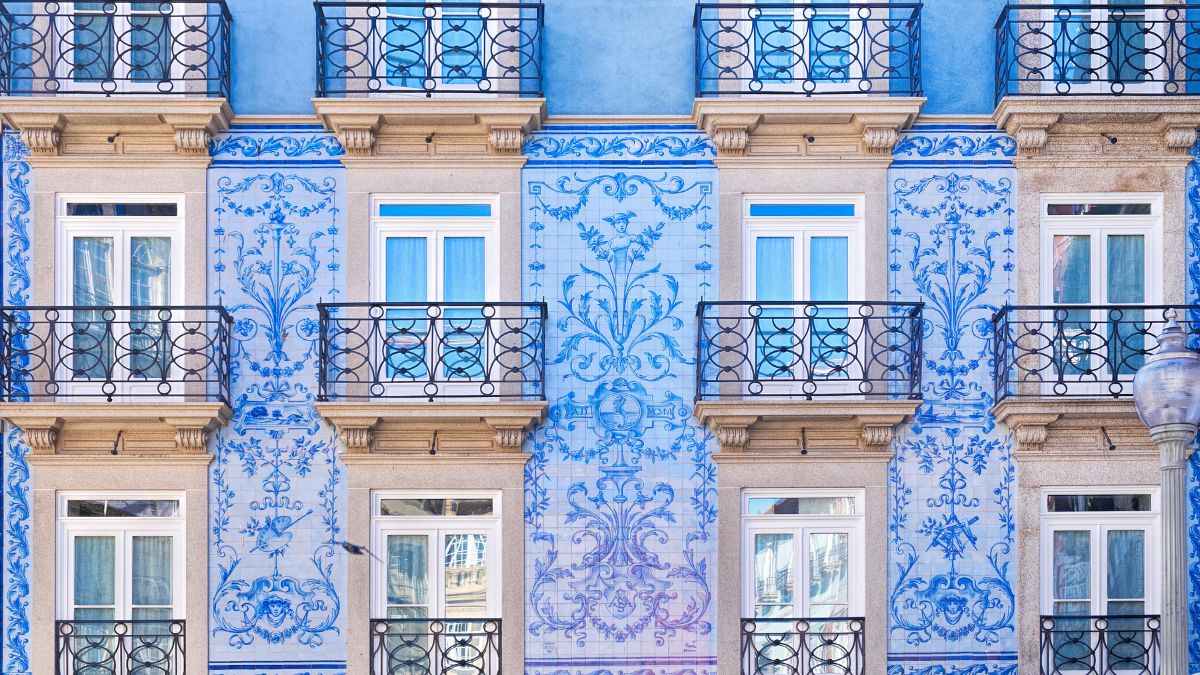
Whenever I visit, I feel there is a palpable authenticity here that cannot be manufactured by marketing, no matter how much they try. I believe that real travellers do not want the glitz and glamour, they want the feeling of adventure and also belonging.
Boutique capital city
The local hospitality sector has wisely capitalised on this raw appeal. Instead of building sterile, cookie-cutter mega-hotels that destroy the local fabric, Porto has embraced a more boutique essence to its city. A lot of the local options have a strong Portuguese flair to the design and architecture, which is a nice touch.
This seems to be working well, as the city is full and bustling, without feeling too claustrophobic like certain big cities can. According to recent data from the National Statistics Institute, tourism revenue in Porto and the North recently shattered records by comfortably surpassing the one billion euro milestone, a testament to the region’s irresistible draw for high-spending, culturally curious global travellers.
Land of the Francesinha
Another area where I feel Porto does well is the food. Fresh seafood is a must and I feel the local delicacies are more “local” if that means anything.
Take the Francesinha as an example. This legendary local delicacy is a towering, structural marvel of bread, cured ham, fresh sausage, and steak, completely smothered in melted cheese and drenched in a rich, spiced tomato and beer sauce. It is a dish that mocks the very concept of a calorie count, acting as a delicious, cholesterol-laden middle finger to the avocado-toast brigade.
Sitting in a bustling, no-frills petiscos bar, watching locals enthusiastically attack their sandwiches while debating football, I realised that Porto does not care about your dietary restrictions. It cares about flavour, tradition, and keeping you thoroughly well-fed.
Immersive history in the cellars of Gaia
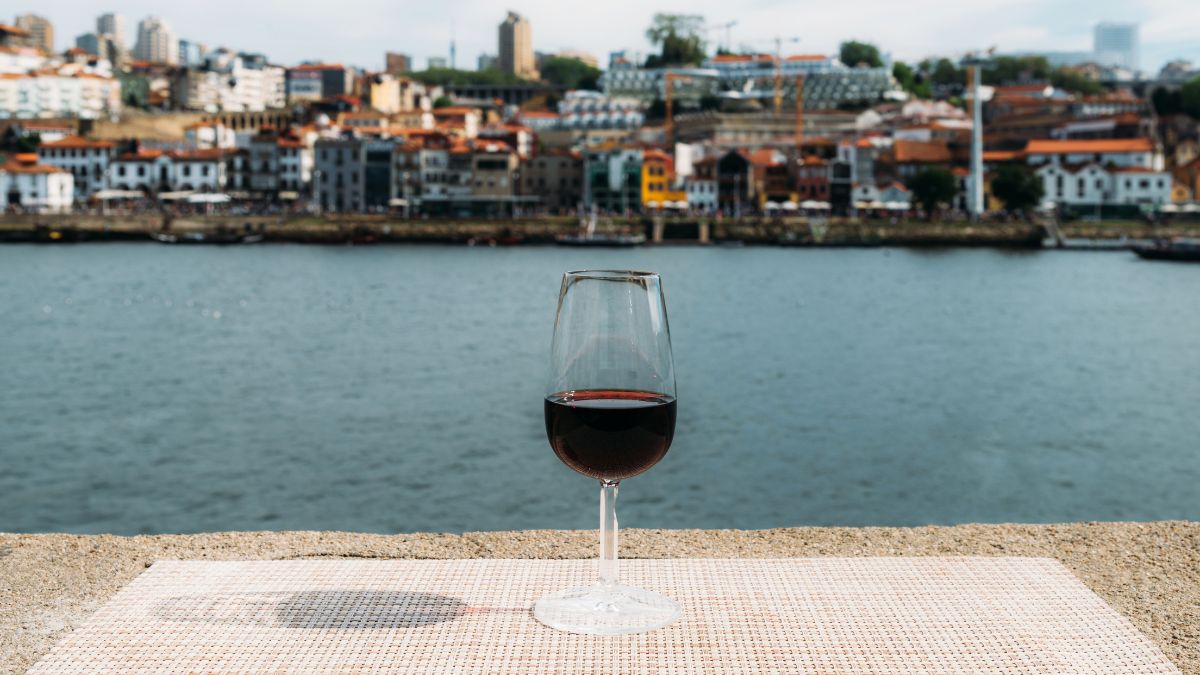
Of course, one cannot discuss Porto without crossing the river to Vila Nova de Gaia, where the port wine cellars have stood for centuries without much change. The air is thick with the sweet, intoxicating scent of oak barrels and ageing grapes. You can take an insider masterclass in this historic cellar, learning about the process that has carried this fortified wine from the terraced vineyards of the Douro Valley to the rest of the world. The industry has evolved beautifully here, transitioning from basic tastings to immersive wine tourism programmes that respect the local heritage while driving solid ancillary revenue.
Maybe I am biased, but I think Porto definitely earned the prestigious title of the World’s Leading City Destination at the World Travel Awards. Whether you are wandering through the legendary, neo-Gothic interiors of the Livraria Lello bookstore (where the queue management system is an operational study in premium yield management) or escaping the downtown core via the historic Number 1 tram to the affluent seaside enclave of Foz do Douro, the city delivers an unmatched return on experience.
READ MORE: We share some of our favourite things from our trip to Gjirokastër in Albania
Make a balanced flight plan
As the Douro River empties into the roaring Atlantic Ocean, the energy shifts completely. The narrow urban alleyways give way to wide, oceanfront promenades lined with sophisticated beach bars and Michelin-starred establishments. I like the luxury of Porto, but maybe I don’t love it. The ability to seamlessly pivot from a gritty, historic urban centre to a serene, maritime retreat is impressive, though.
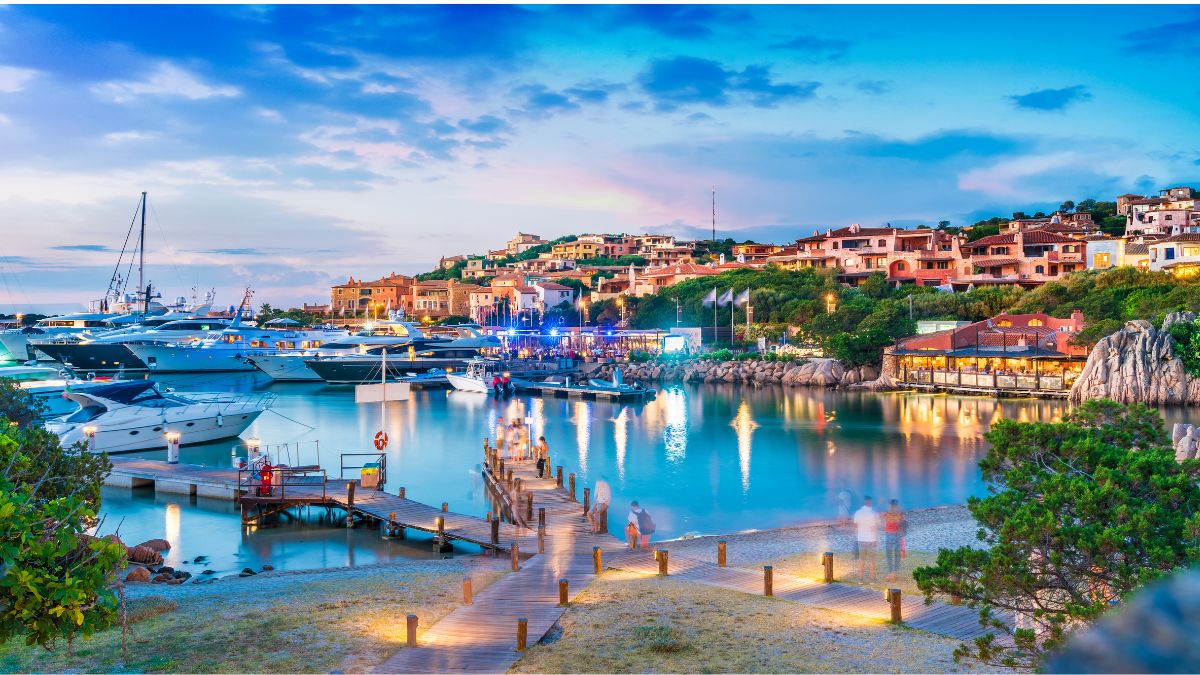
As my trip drew to a close, I wondered if Porto would always stay the same. We live in an age where travel has become transactional, where algorithms influence our decisions and overtourism threatens to destroy local cultures. Porto remains a defiant anomaly and continues to be a city that understands its identity, protects its heritage, and refuses to sanitise its rough edges for the sake of a higher RevPAR.
Lisbon may have the mainstream spotlight, the sprawling digital nomad hubs, and the international headlines, but Porto has something far more valuable: it has a soul. For the discerning frequent flyer who wants to remember why they fell in love with travelling in the first place, there is simply no competition. Pass the port, leave the recorder-playing toddlers behind, and book a ticket north.
We’d love to hear from you if you have any specific recommendations or even a detailed itinerary for your trips around the world. Leave us a comment or drop us an email!
