

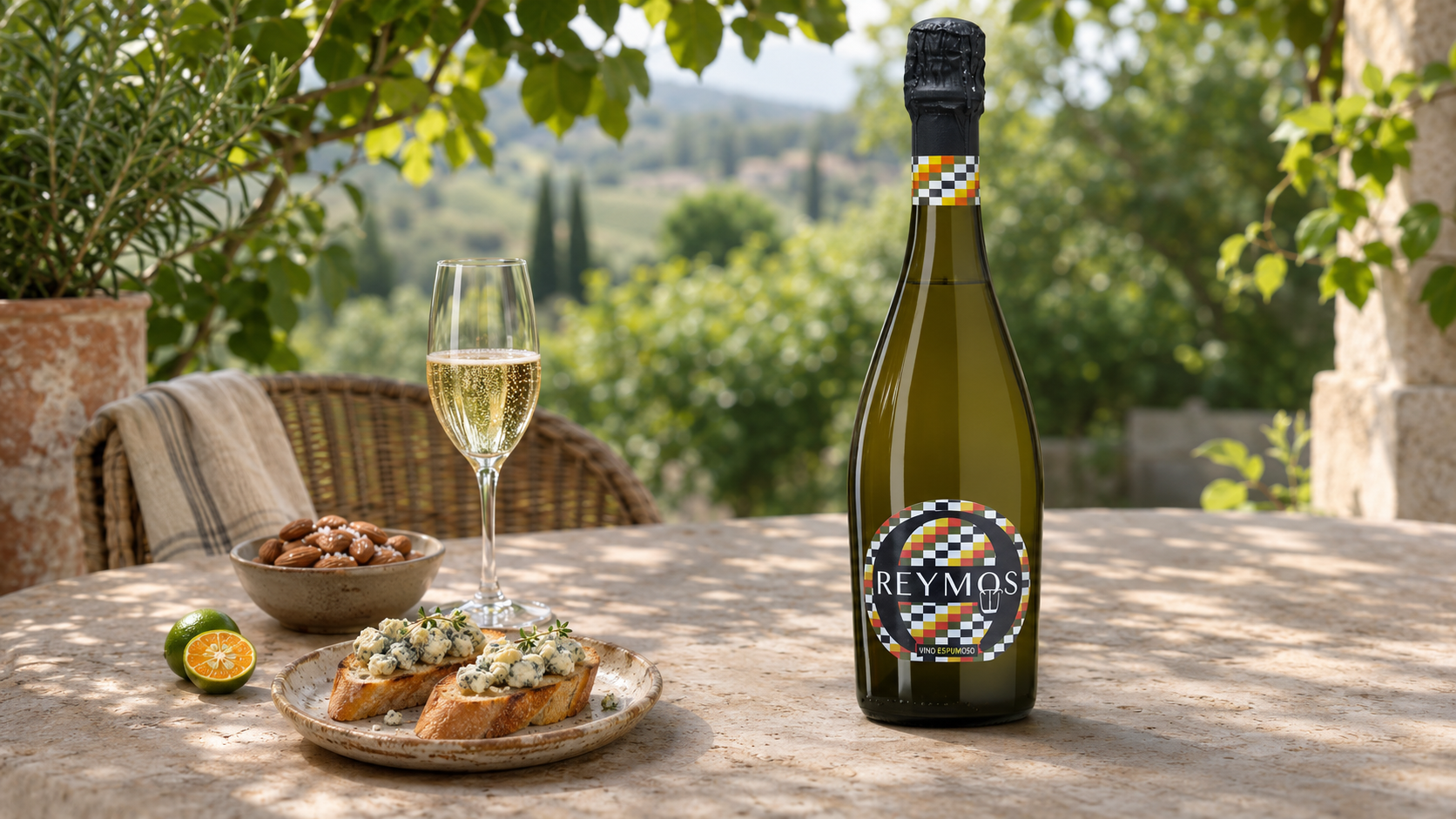
Reymos Classic is a bottle I’d open while lunch is still on the stove. This sparkling Moscatel from Valencia is easy to drink on its own, and at 7.5% ABV, it suits the kind of afternoon when you’d like a glass of wine before you sit down to eat. It has enough sweetness to divide opinion, though. If you usually reach for a dry sparkling wine, how you serve Reymos makes a difference.
The surprise for me was the citrus cocktail. I’d happily serve the wine chilled to someone who enjoys Moscato, but the cocktail is the one I’d recommend to a friend who usually orders a sour. The tart citrus gives the sweetness a purpose, and you still get the pleasure of a sparkling drink. I’d start with a small glass of Reymos on its own, though, because the grape is a good part of what makes this bottle worth trying.
READ MORE: Here’s our detailed review of Tanglin Singapore Gin
History and background
Reymos comes from Cheste, a town inland from Valencia on Spain’s Mediterranean coast. Local growers founded Bodegas Reymos in 1918. The winery describes itself as the first wine cooperative in the Valencian region, where it specialises in Moscatel de Alejandría, or Muscat of Alexandria. You may also see the wine labelled Reymos V.O., short for Versión Original. In Singapore, it’s sold as Reymos Classic.
The winery uses 100% Muscat. It gently crushes the grapes, keeps the juice cold, then ferments it in a pressurised tank using the Charmat method. That choice makes sense when you consider what people remember about the wine. In one of the earliest Spanish tasting notes I found, the reviewer compared the flavour to chewing a ripe table grape. More than twenty years on, that’s still a more useful guide to this bottle than a long list of tasting terms.
Appearance
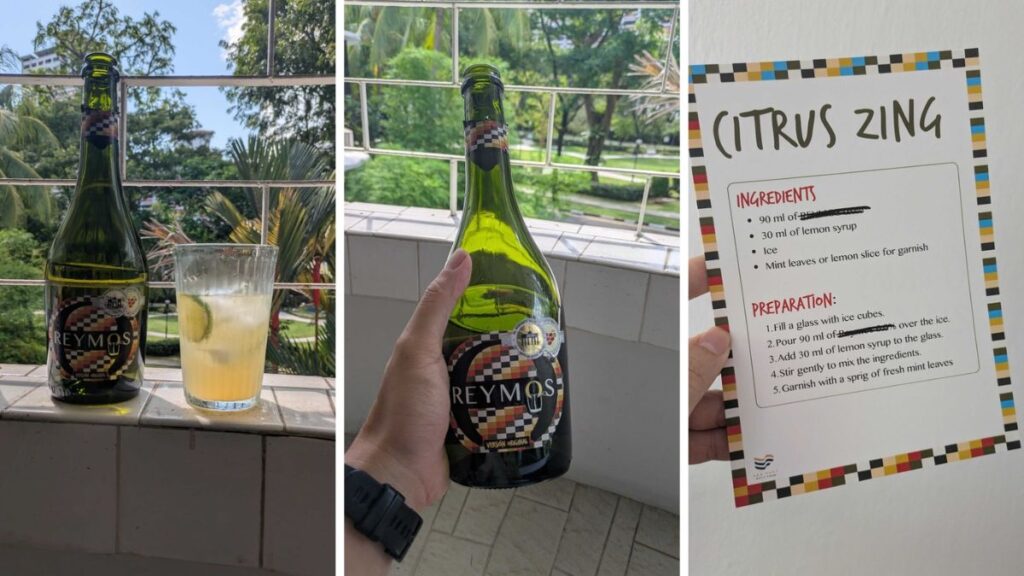
Reymos pours a pale straw yellow with a slight green tint. The bubbles are small enough that the wine can look quite gentle in the glass. Several of us picked up on a detail worth knowing before your first sip. Even when we saw relatively little fizz on the surface, the bubbles felt lively on the tongue.
Nose
Fresh grape is the clearest place to start. Read through the Spanish tasting notes and you’ll also find orange blossom, jasmine, peach and honey. The orange blossom gives the best sense of the style. There’s citrus in the aroma, but it’s closer to the fragrant part of an orange than the sharpness you’d get from squeezing one. We picked up candied orange peel, which helps explain why the wine can smell both citrusy and sweet.
The winery recommends serving Reymos between 5°C and 8°C. We found the aroma fairly quiet at the colder end, with peach and citrus showing first and jasmine becoming clearer as the glass warmed. For lunch outdoors in Singapore, I’d keep the bottle on ice and pour small glasses. That gives you time to notice the change without letting the whole bottle warm up.
Palate
Easy drinking was my first impression of the wne. The lower alcohol suits the lightness I want from an afternoon sparkling wine, while the Moscatel gives each sip plenty of flavour. I would describe apple, orange and honey. The Spanish reviewers we researched lean towards riper fruit, including baked apple, pear and peach in syrup. This would be worth bearing in mind if you’re buying it for someone who likes their bubbles dry.
We also tried an old wine trick, where we taste the same wine at 7°C and 18°C. In the chilled glass, they could pick out peach. In the warmer one, honey and syrup dominated. That small experiment says more about how to enjoy Reymos than a score could. If you like the fruit but find the sweetness builds after a few sips, try a fresh, cold pour before deciding where you stand.
Finish
The sweetness outlasts the fizz. Some of us describe a honeyed finish, while others pick up a slight bitterness reminiscent of citrus peel. This is where opinions split. We found that last touch of bitterness enough to balance the fruit. Others enjoyed the aroma and the first sip, then found the sugar lingered a little too long. If that sounds like you, I’d try Reymos in the citrus cocktail. A sharper finish was exactly what I liked about that serve.
Suggested pairings
I’d serve Reymos before lunch with something salty. When we looked online, Spanish reviews said they paired it with canapés topped with Cabrales, a blue cheese from Spain. That was the pairing that caught my attention. A small piece of blue cheese on toast gives you salt and tang, both welcome alongside a sweet Muscat. For something that needs no preparation, I’d put out a bowl of salted almonds and open the bottle as guests arrive.
For cocktail drinkers, the citrus serve is worth trying in its own right. If I were making a version at home in Singapore, I’d start with chilled Reymos and a squeeze of fresh calamansi. Taste it before adding any syrup. The wine already supplies sweetness, so you can adjust the citrus to suit the person drinking it. Someone who likes a proper sour will probably want a little more than someone who enjoys the wine straight.
Value for money
TSA Wines lists Reymos Classic at S$28 for a 750ml bottle. At that price, I’d buy it for a weekend lunch where a few people want wine and others would prefer a cocktail. Both can come from the same chilled bottle, and you don’t need to plan the meal around it.
Final thoughts on Reymos Classic
I’d buy Reymos again for an afternoon with friends. It’s easy to drink, the 7.5% ABV suits a daytime pour, and the citrus cocktail gives me a second way to serve it that I like just as much. My pick would be a chilled glass with something salty before lunch. For the friend who always orders a sour, I’d get the calamansi out first.
